Can a video game help reduce PTSD symptoms?
[5 min read]
In this article:
- A recent study conducted by a team of universities in Europe found that participants who played Tetris for 20 minutes after exposure to distressing images reported fewer related flashbacks in the following days.
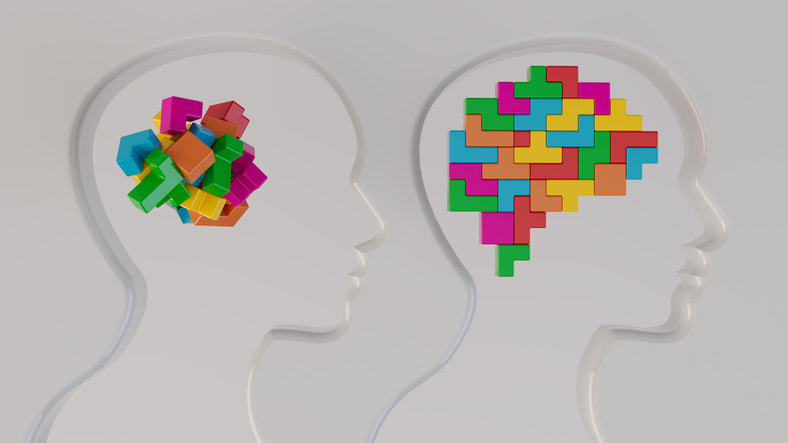
- Researchers theorize that gameplay occupies the areas of the brain which generate visual flashbacks, essentially weakening their ability to create vivid visual memories.
- The World Health Organization estimates that seven out of 10 people will be affected by severe trauma—including exposure to sexual violence, death or severe injury—during their lifetime.
- A Providence Swedish expert walks us through the findings and how they fit into behavioral health care's treatment toolbox.
Video games have long been seen as play, or at least a break from our everyday activities. For millennialls and younger generations, games have become monetized competitive sports. Now, a study out of the United Kingdom suggests that playing a video game can help relieve the symptoms of post-traumatic stress disorder (PTSD).
The findings, published in the Lancet Journal of Psychiatry, showed that playing the beloved video game Tetris for 20 minutes after exposure to traumatic images reduced flashbacks. The evidence is the first step in identifying how common a digital tool might offer relief to those suffering in the aftermath of exposure to traumatic events.
To learn more about the study and how digital (and analog) tools can be implemented into a behavioral health treatment plan, we talked with Janarthan Sivaratnam, Ph.D., a behavioral health expert at Providence Swedish South Lake Union Primary Care.
There has been growing interest on social media in the idea that playing Tetris can help prevent PTSD. From your perspective, what does the research show, and how does that align with what you have seen in clinical practice?
According to recent studies, playing Tetris after trauma exposure shows promise in reducing intrusive memories, but the evidence comes mainly from experimental studies and small clinical trials, with timing, implementation, and the way it could work all being important variables that have affected the results of the limited studies. Based on initial findings, there is some evidence to suggest that, amongst a sample of people who were in car accidents, patients who played Tetris for approximately 20 minutes within 6 hours of trauma (after a memory reminder cue) experienced significantly fewer intrusive memories over the subsequent week compared to a placebo. In terms of clinical practice, I have not yet seen any patients of mine claim that playing Tetris has helped them cope with symptoms of trauma, but that’s not to say that it couldn’t happen. Given that the research is very limited and new, any results should still be viewed with caution, but the initial findings suggest that more research should be done!
How does playing a visuospatial, or calming game, like Tetris interrupt or reduce intrusive trauma memories?
The theory behind how Tetris can interrupt or reduce intrusive trauma memories is due to visuospatial interference during memory reconsolidation (basically the process of your brain finding long-term memories, such as those involved in a traumatic incident). The theory suggests that Tetris competes for the same visuospatial working memory resources needed to form and store the sensory-perceptual aspects of traumatic memories. When Tetris was given after a memory reactivation cue (a reminder of the trauma), Tetris appeared to disrupt reconsolidation of the visual memory, reducing subsequent intrusive images. Again, it is important to keep in mind that this research is new and there are limited studies out there that have explored this topic.
Studies suggest Tetris may be most effective when played soon after a traumatic event. What does the research say about timing and why it matters?
Timing matters because in general, memory consolidation (the process where we take memory fragments, experiences, and such and convert them into long-term memories) and reconsolidation happen within a specific time window where the memories are more likely to be morphed or altered and thus vulnerable to interference. The theory is that the first 6 hours especially following an accident memory consolidation is still occurring using the visuospatial pathways; and because Tetris theoretically uses the same part of the brain, and thus “competes for resources,” this would appear to be the best time for Tetris to impact the consolidation and future reconsolidation of trauma memories potentially preventing their full formation, according to research. However, timing alone is unlikely to be the reason why recent evidence has suggested Tetris can be helpful; for example, in some of the early studies looking at this relationship, having memory cues of the trauma prior to playing Tetris were just as important than playing Tetris without any cues.
I think there is space for video games to be integrated into mental health care as a supplement or in tandem with other interventions. As someone who works with patients with a variety of backgrounds and interests, I believe we should leverage what can be helpful while also being mindful of potential side-effects or consequences.
Can playing these games help people who already have diagnosed PTSD, in addition to those who have recently experienced a traumatic situation?
The short answer is that it depends. Overall, the research is still brand new on how games like Tetris and their potential causal effects on PTSD symptoms. We must remember that, just because two things are associated with each other does not mean one thing causes another. The most compelling study that looked at this was done in 2018 and used a sample of 20 inpatients with longstanding complex PTSD; 16 of the 20 met criteria for a “response” to the intervention of weekly sessions of memory reactivation followed by 25 minutes of Tetris. However, again, it is important to remember that one or two studies alone does not necessarily mean that something is proven! Further research is still warranted but initial results are promising.
What other types of video games or activities can support people with trauma or anxiety?
The research is mixed on this. A lot research on trauma and gaming have been done with Veteran populations. There is some evidence to suggest that video games more broadly may support mental health recovery through different ways: adaptive coping (distraction, giving areas of control, symptom management), situational well-being (confidence, during the game insight, role functioning), and socialization (connection, support, camaraderie). Veterans reported that games provided meaning through narratives and characters, emotional regulation through gameplay, and opportunities for social connection—benefits that were distinct from the acute intrusion-reduction mechanism of visuospatial interference that has been theorized to involved in Tetris-PTSD studies. However, there are not any studies that concretely prove that playing a specific kind of video game alone improves trauma symptoms.
In your opinion, can video games be integrated into mental health care, or are they better seen as supplemental tools?
I think there is space for video games to be integrated into mental health care as a supplement or in tandem with other interventions. As someone who works with patients with a variety of backgrounds and interests, I believe we should leverage what can be helpful while also being mindful of potential side-effects or consequences. For example, going back to the previous question, if I have a patient who does not have many friends locally and their trauma symptoms keep them from interacting with other people, I would encourage use of video games (if that was their main means of social connection) WHILE ALSO working towards addressing their trauma symptoms so that they could interact with people in person. Most interventions—including video games—should be used in tandem with other clinically proven tools/therapeutics and not in isolation.
Learn more and find a physician or advanced practice clinician (APC)
If you are looking for help managing holiday stress or learning to deal with holiday stress, support is available at Providence Providence Swedish Behavioral Health. Whether you require an in-person visit or want to consult a doctor virtually, you have options. You can also connect virtually with your provider to review your symptoms, provide instruction and follow up as needed. And with Swedish ExpressCare Virtual you can receive treatment in minutes for common conditions such as colds, flu, urinary tract infections, and more. You can use our provider directory to find a specialist or primary care physician near you.
Information for patients and visitors
Additional resources
When the news feels like a wave of tragedy and violence, you can help your kids feel safe
Bridging the gaps: rethinking how we communicate can help men and boys thrive
Bullying's scars can last a lifetime
Let glimmers of meaning bring shine to your life
Choosing a therapist: identifying your mental health goals and what to keep in mind
This information is not intended as a substitute for professional medical care. Always follow your healthcare professional's instructions.
Follow us on Facebook, Instagram and X.
The Providence app offers world-class health care with human connection