Your heart, your health: A novel approach to women’s heart care

[7 min read]
In this blog:
- The American Heart Association and three other major medical organizations have released a landmark framework for women's cardiovascular care based on Four Female Life Stages and their associated risks and prevention opportunities.
- This new guidance connects puberty through menopause, recognizing women's unique biology and the need for cross-specialty coordination in women's cardiovascular care.
- The approach seeks to close care gaps in underserved communities, improve early detection and promote prevention strategies, especially among higher-risk patient populations.
For many women, “heart health” is a concern that starts later in life. Maybe after having kids. Or closer to menopause. Or after learning about family history of stroke or high blood pressure.
But statistics show that cardiovascular disease, which includes heart disease and stroke, is the leading cause of death among women in the United States, accounting for more than 400,000 lives each year.
New recommendations from four leading medical organizations seek to bring new urgency to addressing women’s heart health with guidance that covers every stage of life for women and girls. The American Heart Association, American Academy of Pediatrics, American College of Obstetricians and Gynecologists and Society for Maternal-Fetal Medicine have developed a shared framework of clinical guidance that addresses the unique cardiovascular health needs of women and girls. The landmark three-part publication appeared in the October 2026 edition of the journal Circulation.
Why these changes matter
These new recommendations connect the dots for women’s health by highlighting the need for a collaborative approach to women's healthcare across specialties — including cardiology, pediatrics, primary care and maternal-fetal medicine — throughout a woman’s life.
“This is important because the guidelines we’ve had so far are developed for patients from studies that enroll mostly men,” says cardiologist Nina Rashedi, M.D., medical director general cardiology echocardiography laboratories at Providence Swedish. “Women go through different seasons of life: from puberty to early adulthood and then pregnancy and perimenopause and menopause. We have different presentations, evaluations and functions — and treatment differs based on all the seasons. We haven’t had this before.”
For physicians, a novel — and earlier — approach cardiac care
It’s long been recognized that women have specific cardiac care needs, but treatment is often siloed. Prevention advice has generally defaulted to traditional risk factors such as blood pressure, cholesterol, diabetes, smoking and age. The new framework includes traditional guidance and introduces the explicit connection of hormonal, psychosocial and cardiovascular health.
“This creates a real opportunity to identify girls and women at higher risk much earlier. Thisdoesn’t mean that you necessarily need to see a cardiologist at the age of 10, but if you start menstruating at that age, you are at a higher risk of developing heart disease throughout your life, so if you are a pediatrician you know that when they transition to [an adult] family medicine doctor, this is something they need to pay attention to,” says cardiologist Sarah Speck, M.D., medical director of cardiac wellness and rehabilitation at Providence Swedish Heart and Vascular Institute.
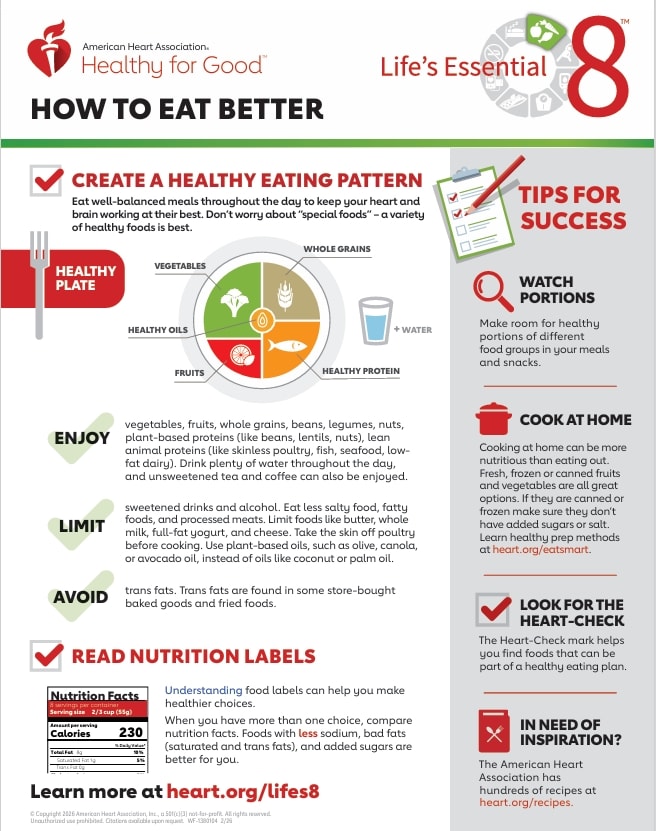
“It really just allows that a community touches women and girls early in their lifespan," she continues. "We can say, ‘This is an opportunity to change your trajectory. The effects of your hormones are not something you can control, but there are things you can control to lower your personal risk of heart disease, like starting early with the AHA's 'Life's Essential 8' to promote healthy behaviors.’”
A woman’s heart-health story begins early
A woman’s first period, menstrual history, pregnancies and transition through menopause can all contribute to the picture of her cardiovascular health. The new holistic guidance includes the Female Life Stage framework:
- Perimenarche: the years surrounding the first menstrual period
- Ovarian cycling: the reproductive years
- Perimenopause: the transition leading to menopause
- Postmenopause: the years following
The guidance also calls greater attention to female-specific cardiovascular risk enhancers, including adverse pregnancy outcomes, irregular menstrual cycles and premature ovarian insufficiency. It highlights conditions that occur only in women or disproportionately affect them, such as hypertensive disorders of pregnancy, peripartum cardiomyopathy and spontaneous coronary artery dissection.
“We know that women deal an extraordinary amount of life stress. Oftentimes patients will come in and explain away their symptoms, telling me they didn’t sleep well or have been dealing with a lot of stress because of their kids or taking care of an elderly [parent] or something like that,” says Dr. Rashedi. “The new guidelines will help us look a little bit closer and diagnose women with chronic disease and conditions earlier, because too often women attribute things to episodic life events or stress, and not a chronic disease.”
“Now we know not to just let things go,” she adds. “We can get in there earlier and tell our patients that we have to keep an eye on this.”
The importance of having conversations sooner, not later
Progress in preventing cardiovascular deaths among women has stalled over the past two decades. If current trends hold, the proportion of U.S. women ages 20 and older with high blood pressure is projected to increase from approximately 49% in 2020 to 59% by 2050.
The overarching goal of this new guidance is more connected care, with fewer opportunities for important information to fall through the cracks as women move from one stage of life and one health care provider to another.
“One of the most significant aspects of these new recommendation is the recognition of the lifelong significance of hormonal changes,” says Dr. Speck. “The combined messaging from these organizations says that if we have health issues along the way [at every age] we need to pay attention to how that might affect our risk for cardiovascular disease throughout life so that you are not among the one in three women who has a cardiac event at age 65.”
Heart health belongs in every conversation
Whether you’re a mom or a mom-to-be, these new guidelines make clear the importance of talking about heart health at every stage of life:
- Keep an eye on your blood pressure, cholesterol and blood sugar.
- Learn about your family's cardiovascular history.
- Talk with your care team about your menstrual and reproductive health, including pregnancy complications.
- Ask how changes associated with perimenopause and menopause may affect your cardiovascular risk.
- Talk with your pediatrician about any concerns you have about your daughter’s cardiovascular health.
“These changes will ensure that you are healthy and that your kids are healthy,” says Dr. Speck. “You’ll get to see your kids and grandchildren grow up because you’ve been identified earlier as someone who is at risk and you are able to make the necessary changes to reduce your risk.”
Learn more and find a physician or advanced practice clinician (APC)
The team of specialists at the Providence Swedish Heart & Vascular Institute has access to the latest treatments and technology and the expertise to know how to use it safely and effectively. Call 206-320-4100 to learn more about the vascular care we offer.
Providence Swedish's Women's Heart Health Program understands that a woman's heart is different. Our specialists offer diagnostic and treatment approaches tailored for female-specific concerns. Call 206-215-4545 for more information or to request an appointment.
Whether you require an in-person visit or want to consult a doctor virtually, you have options. Contact Swedish Primary Care to schedule an appointment with a primary care physician. You can also connect virtually with your doctor to review your symptoms, provide instruction and follow up as needed. And with Swedish ExpressCare Virtual, you can receive treatment in minutes for common conditions such as colds, flu, urinary tract infections and more. You can use our provider directory to find a specialist or primary care physician near you.
Information for patients and visitors
Additional resources
Swedish's hypertension clinic helps patients manage a complex condition
The Providence Swedish Heart & Vascular Institute is transforming cardiovascular care
Are you at risk for heart disease? Take this short quiz to learn more.
Important questions to ask your GYN, at every stage of life
This information is not intended as a substitute for professional medical care. Always follow your healthcare professional's instructions.
The Providence app offers world-class health care with human connection