Love your spine and it will love you back
[6 min read]
- Most episodes of back pain arise during everyday life. Lifting, bending, prolonged sitting and repetitive activities can all contribute to back pain and injury.
- Many people improve with time, activity modification, physical therapy and medication.
- Learn more from a Providence Swedish neurosurgeon who specializes in complex and minimally invasive spine surgery.
- Providence Swedish offers personalized care for a wide range of back and spine conditions, from common injuries to complex structural disorders.
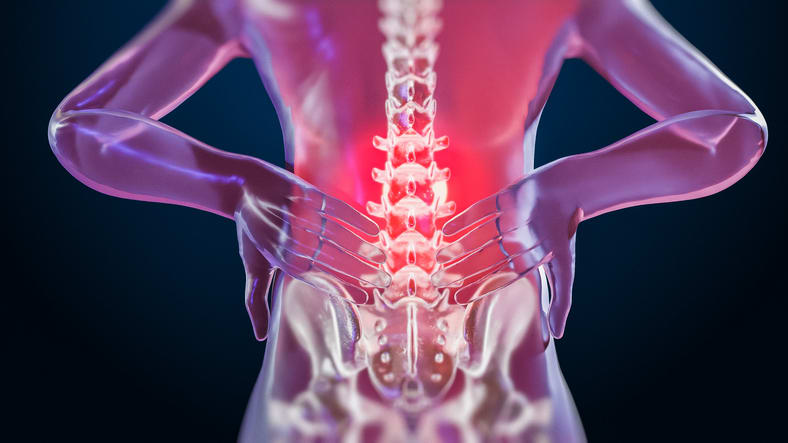
Your spine supports nearly every movement you make, from climbing the stairs at home to hiking your favorite trail. When back pain interferes, it can limit the activities you enjoy and make routine tasks challenging. Back pain is one of the most common health concerns in the United States, affecting 80% of adults at some point in their lives.
Providence Swedish offers personalized care for a wide range of back and spine conditions, from common injuries to complex structural disorders. Our multidisciplinary team includes physical therapists, pain management specialists and spine surgeons. To learn more about maintaining a healthy spine we spoke with Mark Kraemer, M.D., a neurosurgeon specializing in complex and minimally invasive spine surgery at the Providence Swedish Neuroscience Institute.
Common injuries and complex conditions
Although serious accidents can cause spinal injuries, most episodes of back pain arise during everyday life. Lifting, bending, prolonged sitting and repetitive activities can all contribute. Poor posture and workstation ergonomics may also play a role, particularly for people who spend long hours at a desk or behind the wheel.
“Back pain is extremely common,” says Dr. Kraemer. “It may be an acute episode after yard work or exercise, or a chronic problem that develops over time. Some people are more predisposed to it than others, but it is one of the most frequent concerns seen in primary care, urgent care and emergency departments.”
Muscle strains and other forms of myofascial pain are among the most common causes. A person may overdo it on a bike ride, lift something improperly or simply move the wrong way while gardening. The challenge for clinicians is determining whether the pain is muscular and likely to improve with conservative care or reflects an underlying structural problem.
“There are many different types of pain that can be felt in the back,” Dr. Kraemer explains. “Our role is to identify whether there is a structural cause—and, just as importantly, whether correcting that problem with surgery is likely to help.”
Many people improve with time, activity modification, physical therapy and appropriate medication. When symptoms persist, however, further evaluation may be warranted. Surgery may be appropriate for selected patients whose symptoms can be clearly linked to a significant structural abnormality.
“Interestingly, spine surgery often provides more predictable relief for arm or leg symptoms than for back or neck pain alone,” says Dr. Kraemer. “The spine protects the nerves that travel into the arms and legs, so a compressed nerve in the neck can cause arm pain, while a compressed nerve in the lower back can cause pain—often called sciatica—that radiates into the leg.”
Spinal conditions can also resemble problems originating in the shoulder, hip or knee. A careful medical history, physical examination and review of appropriate imaging help clinicians determine the true source of a patient’s symptoms.
Conditions treated by Dr. Kraemer include:
- Spinal stenosis: Narrowing around the nerves that may cause pain, numbness, weakness or fatigue, particularly while standing or walking.
- Herniated discs: Discs that place pressure on nearby nerves, potentially causing radiating pain, numbness or weakness.
- Spinal fractures: Injuries related to trauma, osteoporosis or other conditions that weaken the bones.
- Scoliosis and spinal deformity: Abnormal curvature or alignment that may affect pain, mobility, balance and overall function.
While spinal conditions result from a combination of genetics, aging, anatomy and cumulative wear, some risk factors can be modified.
“Nicotine products, excess weight and physical deconditioning can all contribute to spine problems,” Dr. Kraemer says. “Repeatedly placing excessive stress on the back—or failing to maintain the muscles that support it—can accelerate wear on parts of the spine.”
Show your spine some love
Regular movement is one of the most effective ways to support long-term spine health. Although genetics and age cannot be changed, maintaining strength and mobility and practicing healthy habits may reduce the likelihood that an underlying vulnerability will cause symptoms.
“For patients who do not need surgery, I often recommend activities such as yoga or Pilates,” says Dr. Kraemer. “They can improve core strength, flexibility and body mechanics, creating a healthier biomechanical environment for the spine.”
Dr. Kraemer recommends several practical ways to support a healthy back and spine:
- Stay active: Regular movement and strength training help maintain the muscles that support the spine.
- Use proper technique: Pay attention to form when lifting, exercising and performing household or outdoor activities. Consider consulting a qualified personal trainer or physical therapist for guidance.
- Optimize your workspace: An ergonomic setup and regular movement breaks are especially important for desk-based work.
- Protect your bone health: Adequate nutrition, weight-bearing exercise and appropriate screening become increasingly important with age, particularly after menopause. Because bone mass gradually declines with age, healthy eating and regular exercise can help protect it.
- Maintain a healthy weight: Reducing excess strain on the spine may improve mobility and help manage symptoms.
- Avoid nicotine: Nicotine impairs circulation, which is known to accelerate spinal degeneration and interfere with bone healing.
- Seek care when symptoms persist: Early evaluation is particularly important for progressive weakness, numbness, difficulty walking or changes in bowel or bladder function. These warning signs should be assessed promptly by a medical professional.
“Many patients can improve their symptoms by consistently rebuilding strength, maintaining a healthy weight and avoiding nicotine,” says Dr. Kraemer. “When a structural problem does require treatment, there is no one-size-fits-all solution. Our philosophy is to recommend the least invasive approach that will provide safe, effective and durable relief for that patient.
Learn more and find a physician or advanced practice clinician
Learn more about spine care and how our specialists from the Providence Swedish Neuroscience Institute and can help you. Our Swedish provider directory can help you find a specialist or primary care doctor that's right for you. Whether you require an in-person visit or want to consult a doctor virtually, you have options. Swedish Virtual Care connects you face-to-face with a nurse practitioner who can review your symptoms, provide instruction and follow up as needed. If you need to find a doctor, you can use our provider directory.
Additional resources
Ouch! What can help your aching back?
Recovering from a health crisis, one step at a time
That twinge is telling you something. Don't ignore back pain.
This information is not intended as a substitute for professional medical care. Always follow your health care professional's instructions.
Follow us on Facebook, Instagram and Twitter.